Supporting the Next Generation of MedTech Innovators: Health Innovation Manchester collaborates with the University of Manchester’s MedTech and Scalpel Surgical Societies
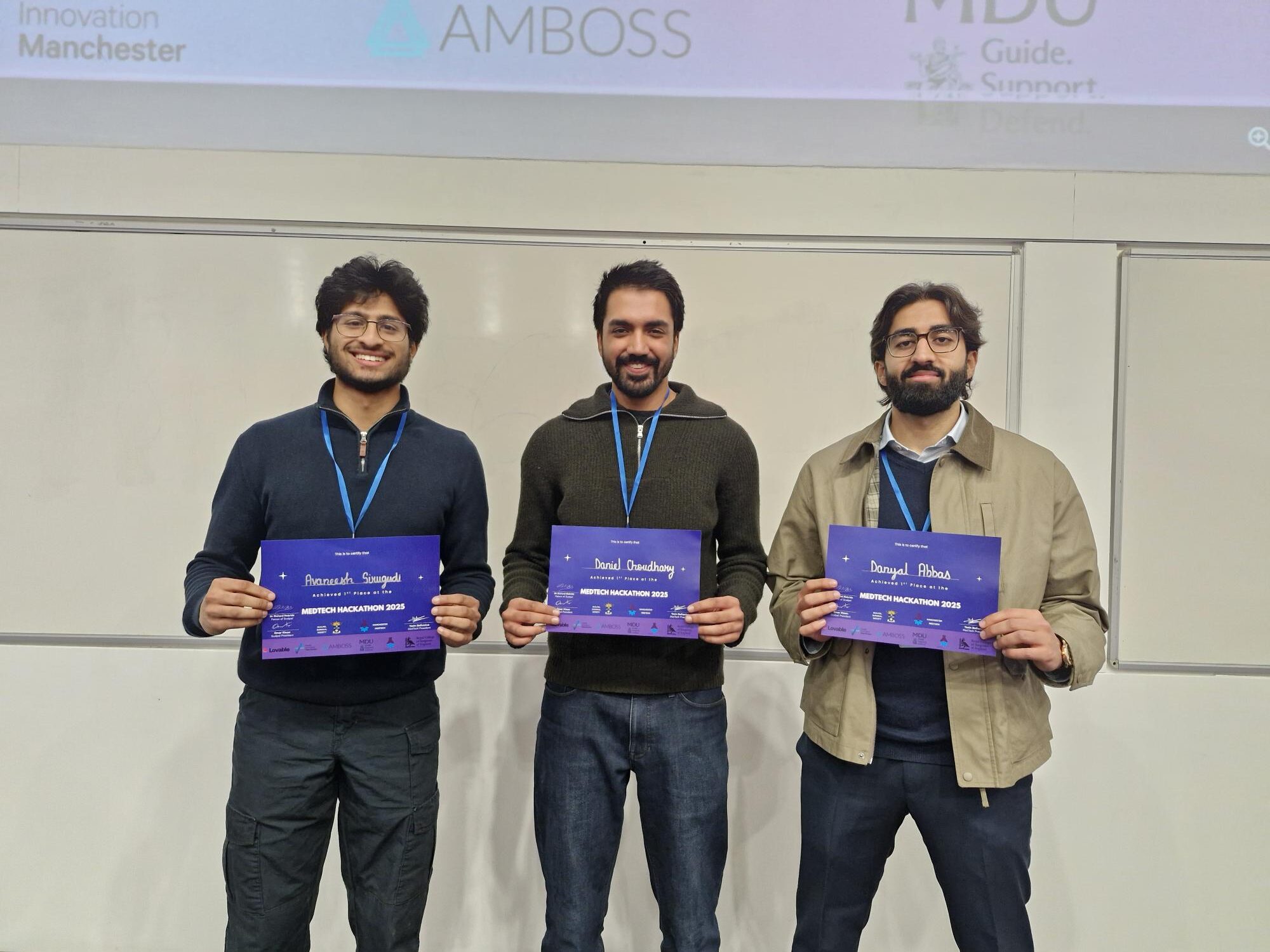
Collaboration sits at the heart of innovation in healthcare. Over recent months, Health Innovation Manchester (HInM) has been proud to work alongside the University of Manchester’s MedTech Society and Scalpel Surgical Society, supporting a student-led hackathon focused on challenges in surgical oncology and continuing that journey through the Scalpel Re-thinking the Cut conference.
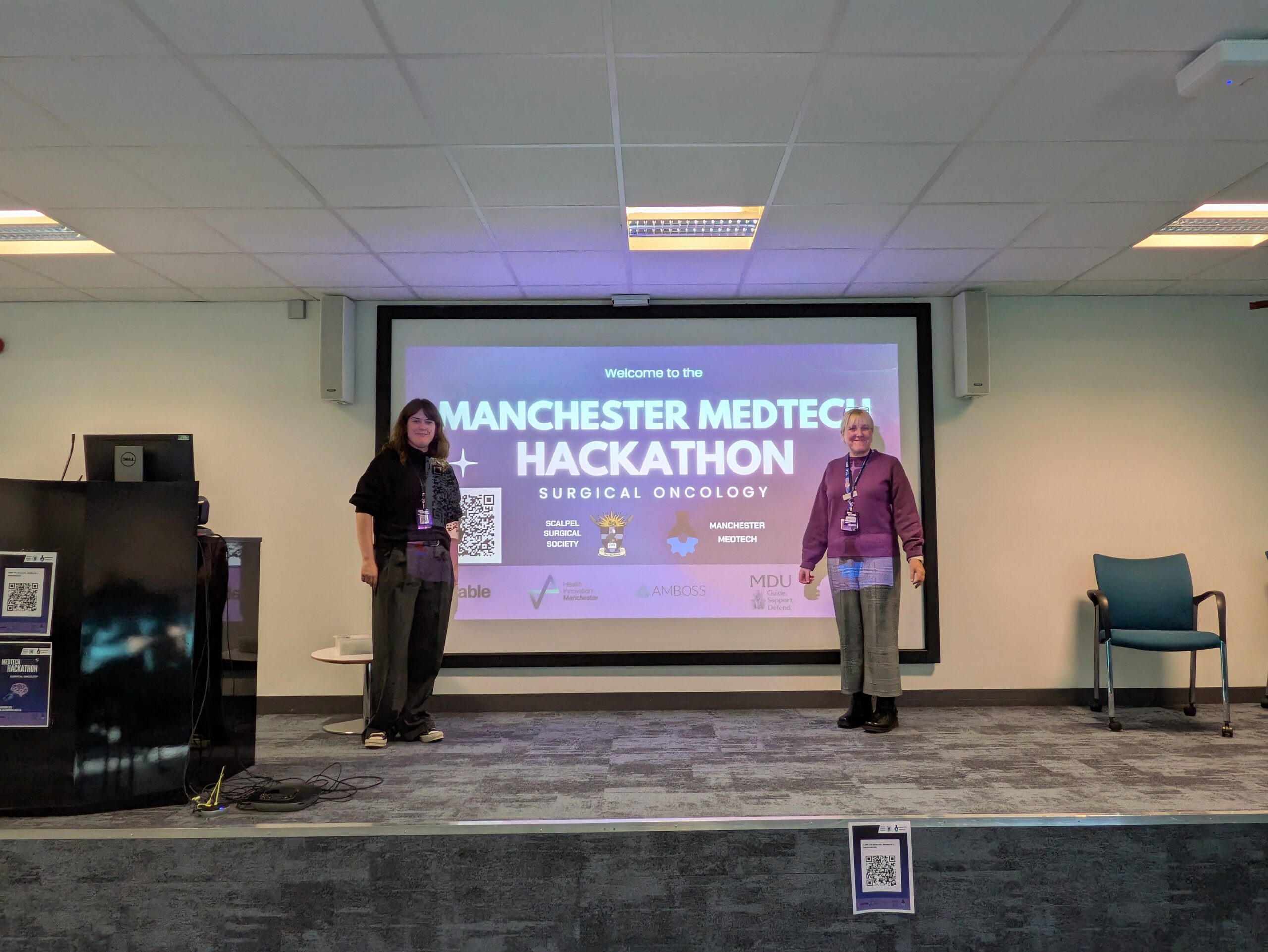
This partnership has showcased the power of bringing together students, clinicians and innovation professionals to explore real-world healthcare challenges and develop bold, practical solutions.
Together, we aligned around a clear goal: to support a Manchester-based hackathon that would give students access to clinical insight, mentoring and expert feedback, while addressing meaningful challenges in MedTech.
Central to the collaboration was joint planning for a hackathon designed to reflect real clinical needs. HInM worked closely with the societies to shape two problem statements focused on surgical oncology, ensuring clinical relevance and practical applicability.
Colleagues from across HInM, including Ben Diette (Academic Partnerships Manager), Amber Yasin (Programme Manager) Caroline Dykeman (Senior Clinical Lead Innovation) and Stephanie Bateman (Innovator in Residence for Health Innovation and Life Sciences – GM Further Education Innovation Project and Specialist Nurse Innovation at Health Innovation Manchester) took a truly “One-HInM” approach, working across teams to provide clinical input, mentoring support and judging expertise. The HInM Clinical Office committed time and expertise throughout, reinforcing the value we place on early-stage innovation and education.
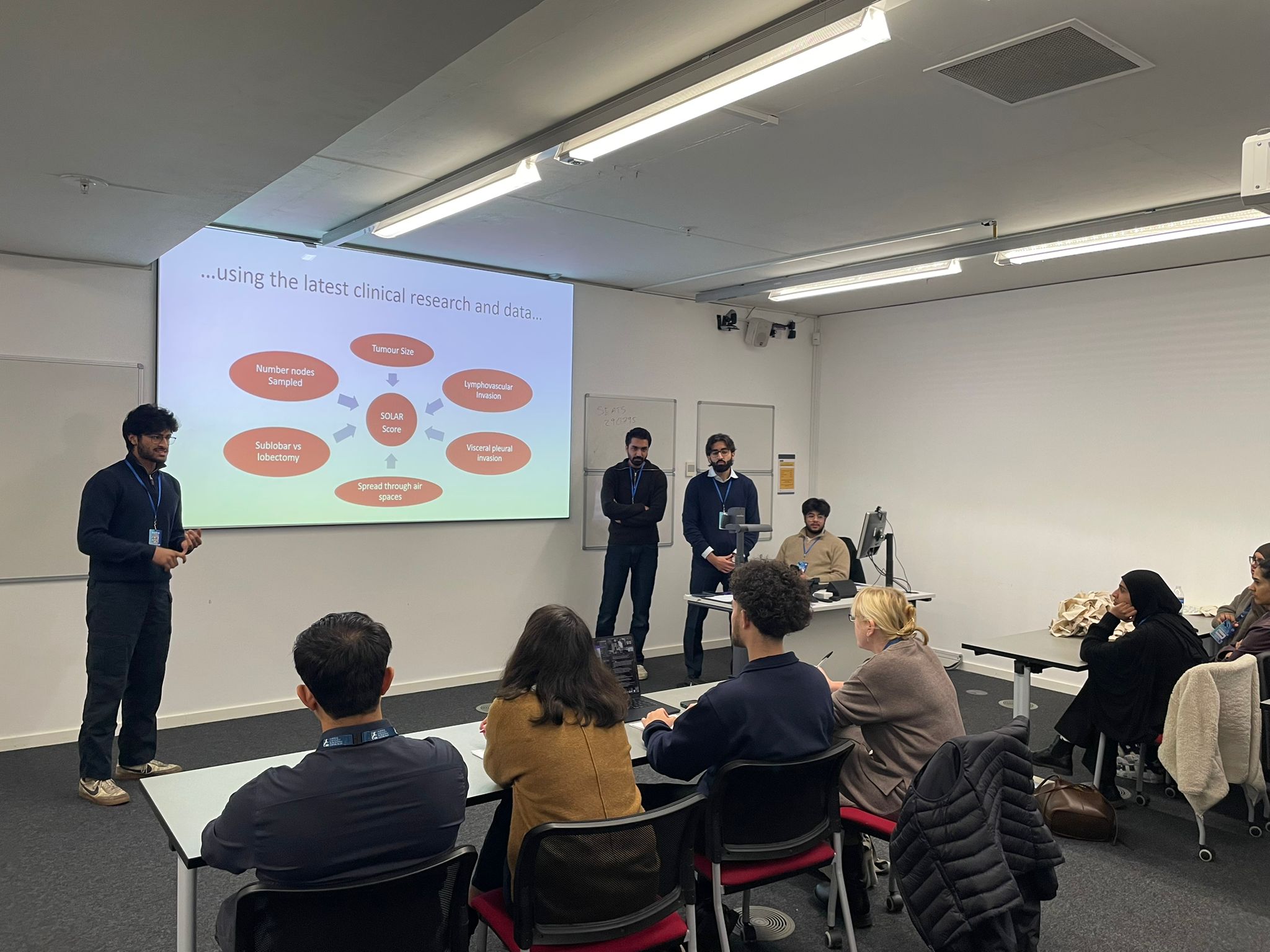
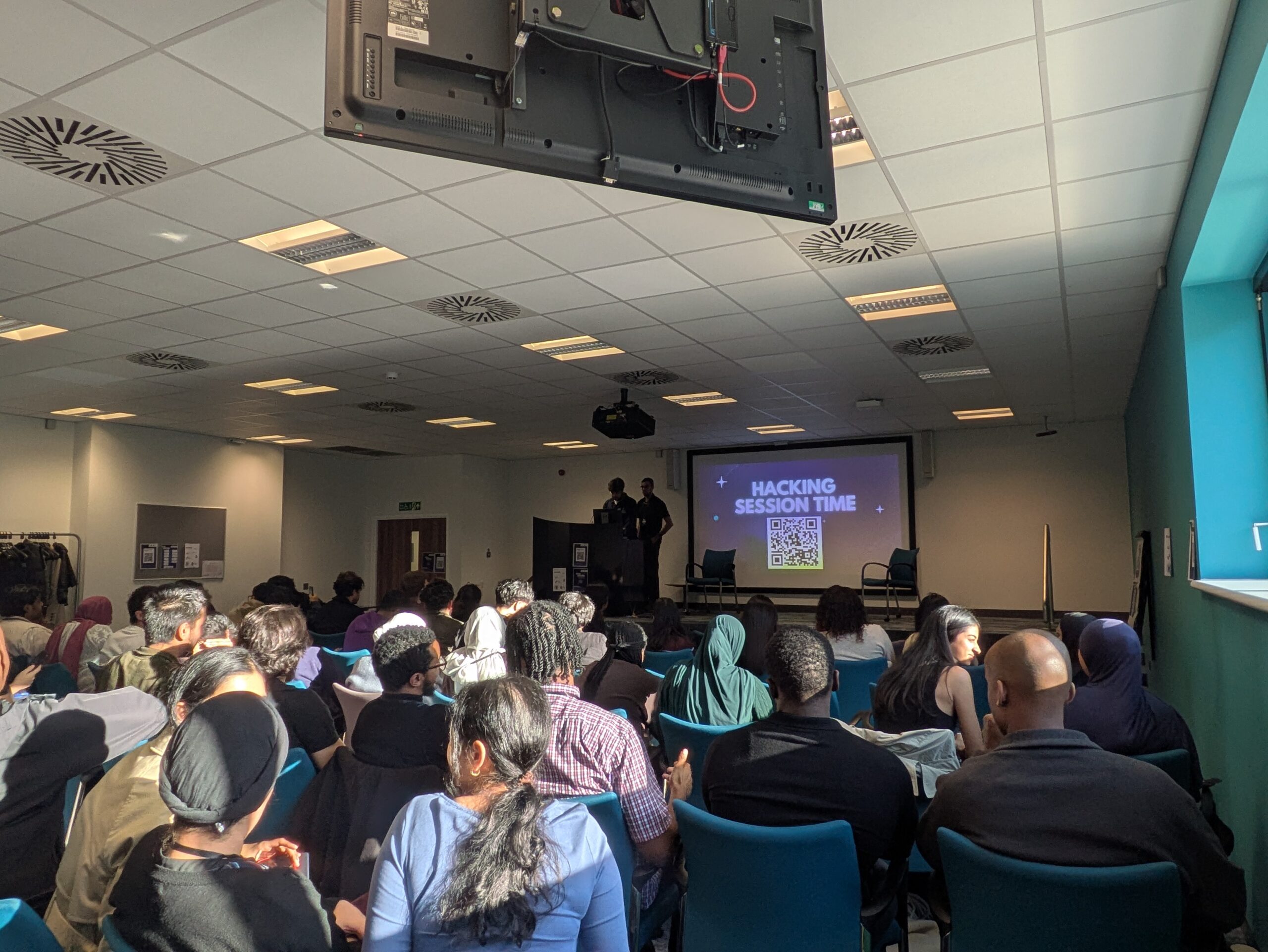
The hackathon brought together students from a range of disciplines, including medicine, health sciences and computer science. Participants formed interdisciplinary teams to tackle the problem statements, drawing on clinical insight, technical knowledge and creative thinking.
Throughout the event, Steph, Caroline and Ben acted as roaming mentors, offering guidance and challenging teams to refine their ideas. Steph and Caroline also joined the judging panel, assessing submissions across criteria including innovation, technical complexity, feasibility, impact, and clarity of presentation.
Five teams were selected as winners and invited to re-pitch their ideas at the Scalpel Surgical Society’s Re-thinking the Cut conference the following week. After presenting to a panel of experts, the team ‘Solar’ were crowned overall winners, with ‘Fluro-Pen’ taking second place and ‘ONC.AI’ finishing third.
Reflecting on the hackathon experience, Caroline Dykeman shared:
“Supporting the University of Manchester’s Medtech and Scalpel Surgical Societies Hackathon was a truly enjoyable experience; the event was well organised, with clear structure and support for all the participants; students, mentors, and judges alike, which helped create an environment conducive to collaboration and problem-solving.
What stood out most for me was the diversity of approaches taken by the teams. While creativity was evident across the board, I was particularly impressed with the students who adopted a more analytical stance—critically examining the information provided and incorporating horizon scanning into their proposals. This forward-looking perspective demonstrated an understanding of both current challenges and future opportunities, which is essential for meaningful innovation in healthcare.
Opportunities like this enable students to collaborate with a range of professionals, fostering cross-disciplinary learning and driving forward-thinking ideas that push the boundaries of what is possible in MedTech. It was so encouraging to see students engaging with very complex issues and exploring solutions that could have real-world impact.
Overall, the Hackathon highlighted to me the importance of combining imaginative thinking with evidence-based analysis. Events of this nature play a key role in developing the next generation of innovators and strengthening the connections between academia and clinical practice.”
Stephanie Bateman added:
“Working with the University of Manchester’s Medtech and Scalpel Surgical Societies on this hackathon was a really positive experience. The students engaged seriously with some genuinely difficult healthcare problems, and I was blown away by the quality and creativity of what all the teams produced.
Each group brought something different—whether that was an interesting technical solution, careful thinking about how things would actually work in practice, or a fresh take on patient needs. It was great to see how they took on board feedback during the day and adjusted their proposals without losing sight of what they were trying to achieve.
These kinds of partnerships matter because they give students a chance to test their ideas outside the classroom and learn how to handle constructive criticism—skills they’ll need regardless of where they end up. For me, the hackathon confirmed that early-career innovators benefit hugely from these opportunities to balance ambition with practical thinking. It was genuinely energising to work with students at this stage of their careers—their enthusiasm and fresh thinking is exactly what the sector needs.”
Amber Yasin, Programme Manager at HInM, reflected on her involvement through the MedTech panel and wider collaboration:
“The MedTech Panel talk was a hugely rewarding experience. The students in attendance were inquisitive, curious and clearly passionate about MedTech and the impact potential for improving the health and care of patients. Supporting Ben and the MedTech Society to help develop the upcoming Hackathon event has been brilliant and highlights that innovation can come from anywhere and start as early as those in their early academic medical careers.”
Amber also highlighted the dedication shown by the student organisers:
“The students leading the MedTech and Scalpel Societies have demonstrated remarkable passion and commitment to bringing MedTech innovation to their peers. It has been exciting to support their journey – from planning and designing to collaborating on the Hackathon event. The feedback from attendees has been fantastic, and we look forward to seeing even more creative ideas and innovations from these talented students.”
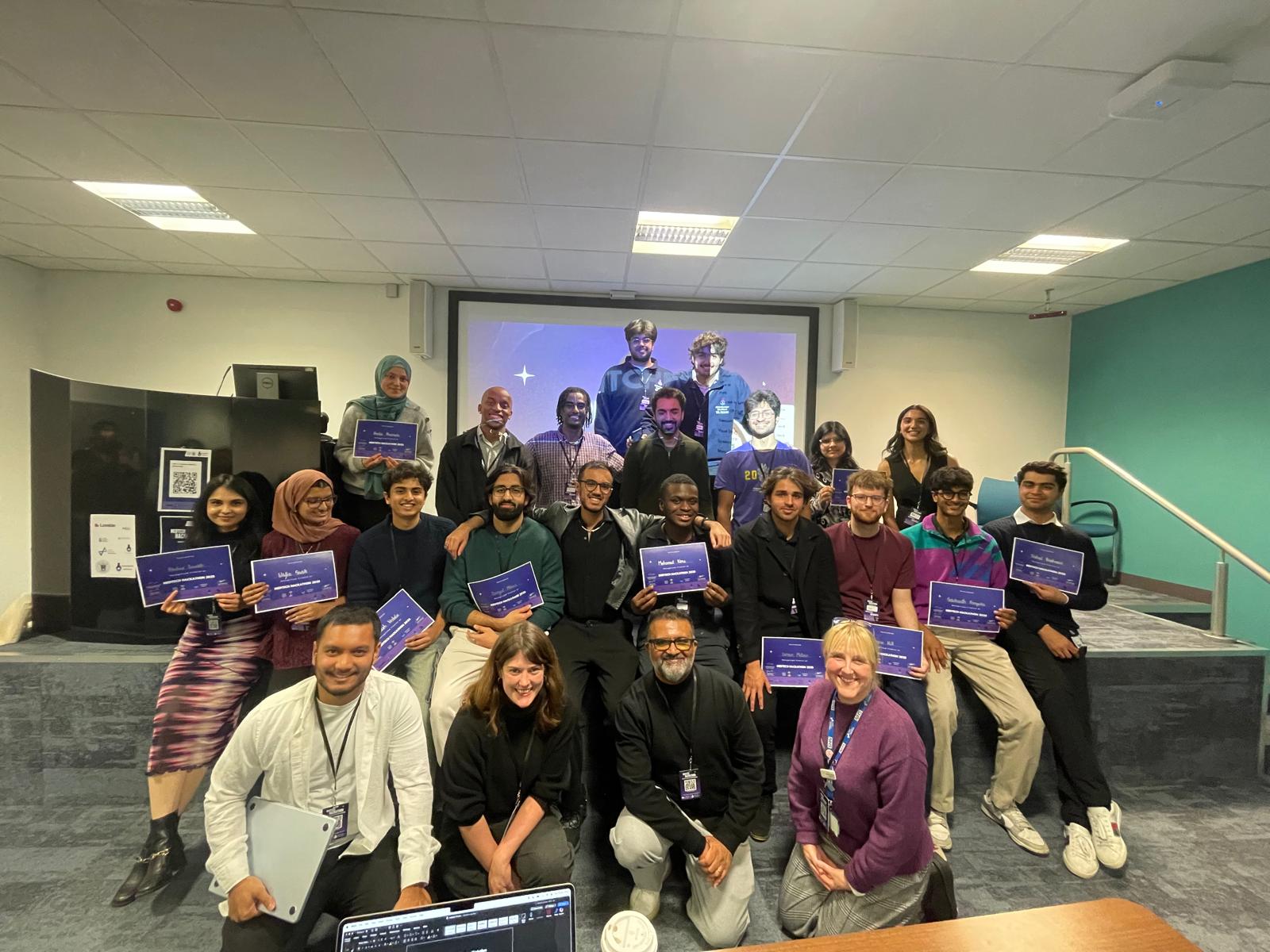
The collaboration extended beyond the hackathon itself. Amber’s participation in a MedTech panel organised by Manchester MedTech in early November further strengthened links between HInM and the student innovation community. The events also generated strong engagement on social media, with society members actively sharing their experiences and outcomes across LinkedIn.
As part of our continued support, the winning team ‘Solar’ has been invited to the HInM office to meet with HInM leaders and receive tailored innovator support to help further develop and grow their idea. This next step reflects HInM’s commitment to nurturing promising innovations beyond the initial concept stage and supporting the next generation of MedTech leaders.


