“It’s Everyone’s Responsibility”- Oldham’s GMCR EPaCCS Journey and Top Tips for Clinicians
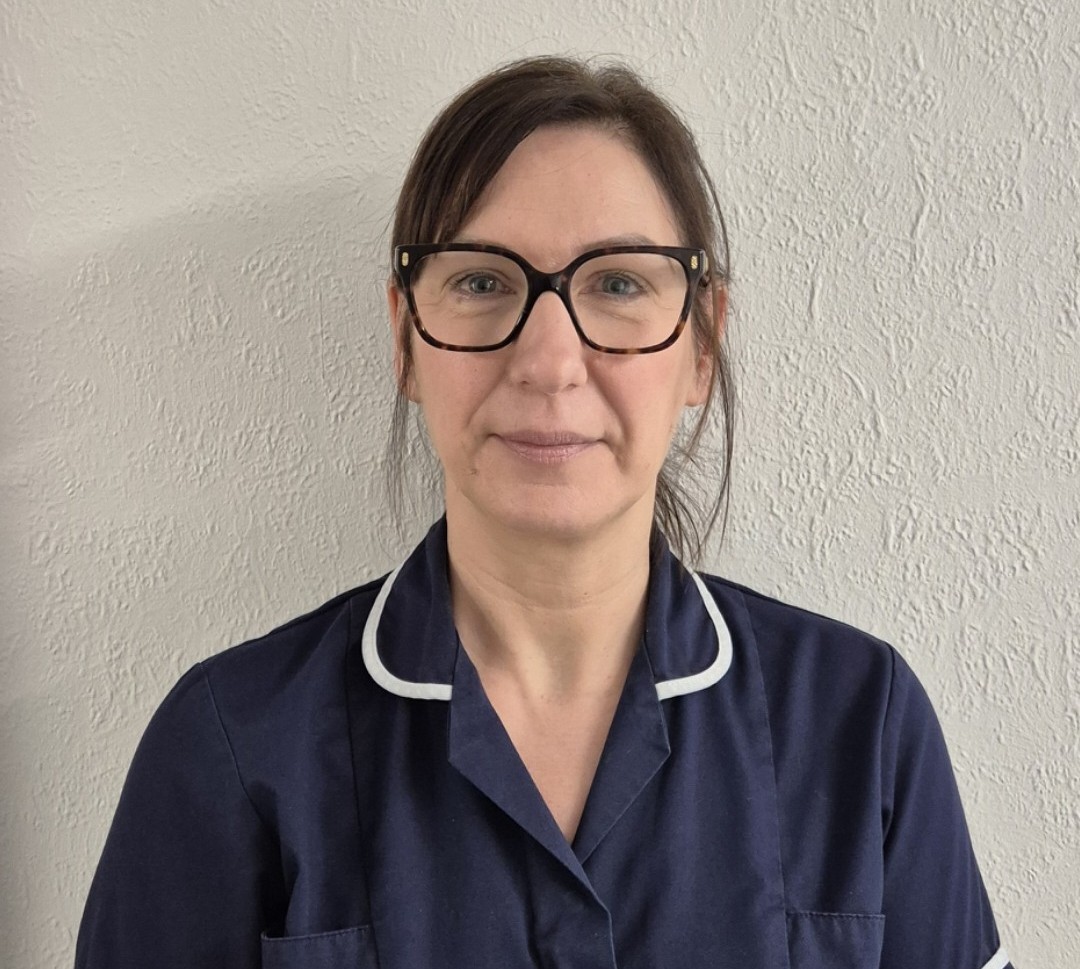
By Louise Redfearn, Macmillan Specialist Palliative Care Nurse at Royal Oldham Hospital, Northern Care Alliance NHS Foundation Trust
Why EPaCCS Matters
In Oldham, the palliative care team sees patients with life-limiting illness – cancer and non-cancer, increasingly frailty and dementia – often in their last months, weeks, or days. For these patients, the Electronic Palliative Care Coordination System (EPaCCS) is not just a form, it’s a lifeline for joined-up, person-centred care.
But it wasn’t always this way. “When I started eight years ago, completing EPaCCS forms was hit and miss,” says Louise Redfern. “Now, it’s the norm. We complete 10 or 11 EPaCCS a month for Oldham patients, and families rarely decline. In fact, they encourage it because it means their loved one’s wishes are visible and respected.”
Making EPaCCS “Business as Usual”
- EPaCCS is embedded in discharge: The Oldham team has made EPaCCS completion a standard part of the discharge process. “It’s on our discharge checklist, just like a referral or medication review,” says Louise Redfern.
- It’s everyone’s job: While palliative care leads, the message is clear: anyone who knows the patient can (and should) contribute. “You don’t have to complete it all in one go. Just add what you know whether that’s fast-track funding, key wishes, or clinical priorities. Multiple people can contribute.”
- It’s not extra work: “It doesn’t take long – there are just a few questions to complete. And it prevents so many unnecessary interventions when used by everyone involved in a person’s care.”
Real-World Impact: User stories from Oldham
- Case 1: A patient with heart failure and a learning disability had clear wishes for comfort and quality end-of-life care. Completing an EPaCCS form in discussion with the patient’s brother and care home made it possible to avoid a potentially distressing, unnecessary re-admission to hospital.
- Case 2: A patient with Motor Neurone Disease had an EPaCCS completed by the consultant before palliative care was required. “When we got the referral, we could see exactly what mattered to them – what they would come in for, what they wouldn’t. It meant we didn’t have to start from scratch, and care was truly joined up.”
Barriers and How to Overcome Them
- Thinking EPaCCS is the Palliative Care team’s responsibility: Starting or updating an EPaCCS form is everyone’s responsibility including Transfer of Care, Frailty, and A&E teams. If everyone checks EPaCCS and adds what they know, the patient has a better chance of their end-of-life wishes being respected.
- Not enough training or champions: “We need senior sponsors and education leads in every service that deals with people approaching end-of-life.
- Following EPaCCS up after discharge: “We tick EPaCCS on our GP letters, but it would help if all referral forms (to community, hospice, etc.) included a ‘Has EPaCCS been completed?’ box. That way, everyone knows to check and update.”
Top Tips for Getting Started with GMCR EPaCCS
- Make EPaCCS part of your discharge and referral process. Add a tick-box: “Has EPaCCS been completed?” and make it routine.
- Don’t wait for palliative care. Anyone who knows the patient can start or add to EPaCCS especially in frailty, A&E, transfer of care, and specialist nurse teams.
- You don’t have to do it all at once. Add what you know and others can update later.
- Use real stories to motivate your team. Share examples where EPaCCS avoided unnecessary admissions or made end-of-life wishes clear.
- Ask for training and support. The GMCR Product EPaCCS team offers training, and myth-busting, and resources are available at GMCR EPaCCS – GM Care Record
- Champion EPaCCS in your service. Identify a senior sponsor and education lead to keep it on the agenda.
- Promote EPaCCS as “business as usual.” The more routine it becomes, the less it feels like extra work – and the more it benefits patients and families.
Final Word: If We Can Do It, So Can You
Oldham’s experience shows that embedding EPaCCS in everyday practice is possible and really makes a difference. “We’re all passionate about it,” says Louise Redfern. “It’s so important. If it keeps someone in their Preferred Place of Care at the end of life, that’s everything.”
Want to get started or need support?
- Find a range of resources, including Quick Start Guides and videos at GMCR EPaCCS – GM Care Record.
- Contact the GMCR Product team for training and webinars.
Let’s make EPaCCS everyone’s business and give every individual the joined-up, person-centred care they deserve.


